Premium Machines.
Expert Advice.
Perfect Coffee.
Bean to cup, traditional espresso, filter and vending equipment for cafes, offices, hotels and forecourts across the UK — plus the beans, cups and syrups that keep the counter moving.
- 78 products in stock
- 16 categories
- Free mainland UK delivery
Specified For Trade Use
Machines rated for service volume, not domestic kitchens
Advice Before The Sale
Tell us your peak hour and we tell you what actually fits
Free UK Mainland Delivery
Carriage included to mainland UK addresses; islands, Northern Ireland and some Scottish postcodes by arrangement
Machines And Supplies
Beans, cups, syrups and cleaning from one supplier
Specified around the venue, not the brochure
The right equipment has less to do with the badge on the front than with who presses the button, and when the rush arrives.
Independent cafes with a barista on every shift usually get the most from a traditional espresso machine, because grind, dose and milk texture are worth controlling by hand when somebody is there to control them. Offices are the opposite case. Whoever makes the coffee changes hour by hour, nobody is paid to dial in a grinder, and a one-touch bean to cup machine that hands the same flat white to the finance director and the courier is worth more than any amount of manual control.
Hotels often need two answers at once: espresso-based drinks at the bar, and volume brewed coffee for a breakfast service that peaks hard and then stops, which is exactly what a bulk filter brewer is built for. Forecourts, convenience stores and garden centres are buying a margin line rather than a coffee bar, so a self-serve coffee to go station or an unattended vending machine earns its place on cup price and reliability, and on what each takeaway cup actually returns.
Gyms, leisure sites and visitor attractions tend to want cold drinks alongside the coffee, because hot sales dip in the weeks the site is busiest. Milkshakes and slush cover that gap from the same counter. We supply all of them across the UK, and if none of those descriptions quite fits your site, tell us what does.
Shop by category
Sixteen categories, from a single-group espresso machine to the cups, beans and syrups that keep a counter running.
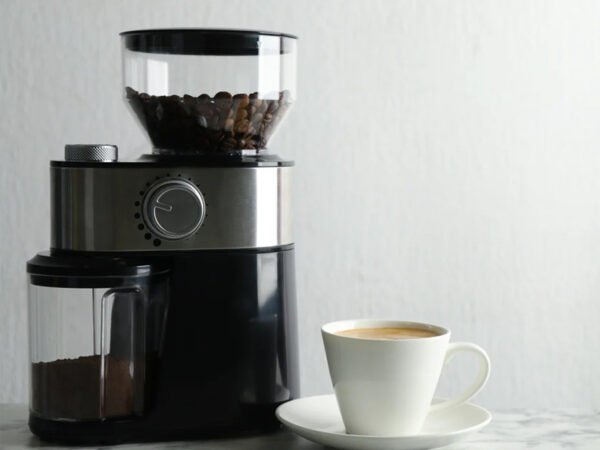
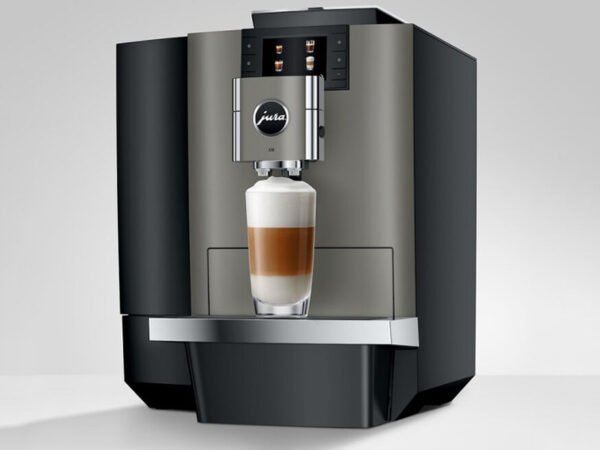
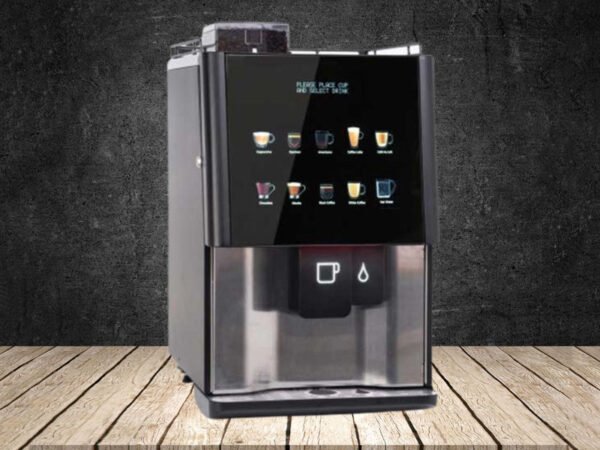

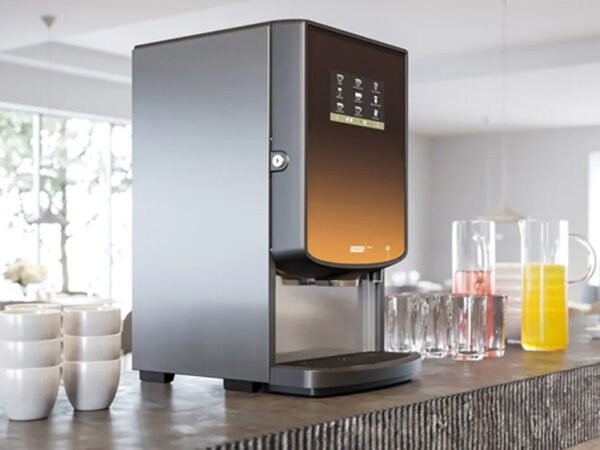
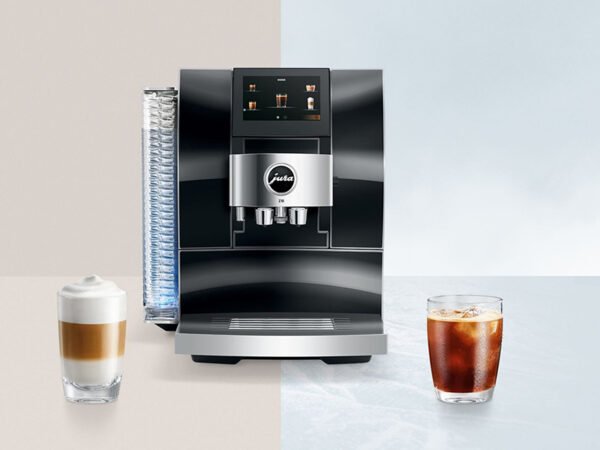
Machines built for the rush
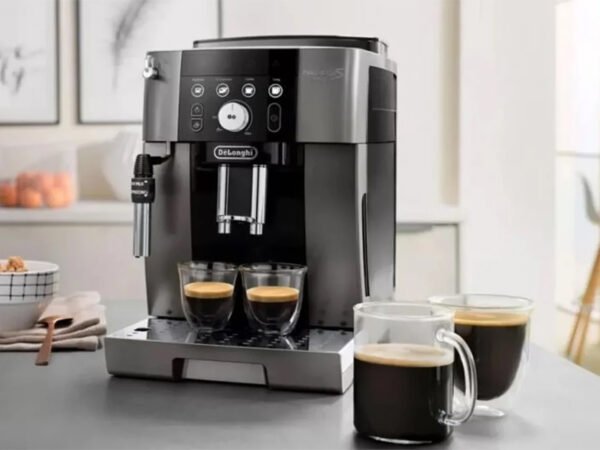
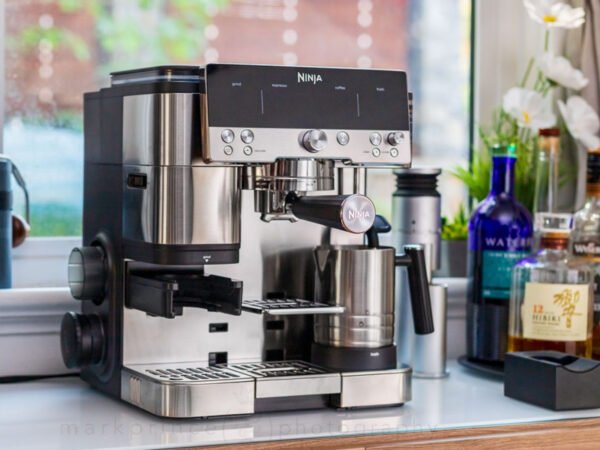
A cross-section of the range — bean to cup, traditional espresso, Jura and bulk filter brewers.
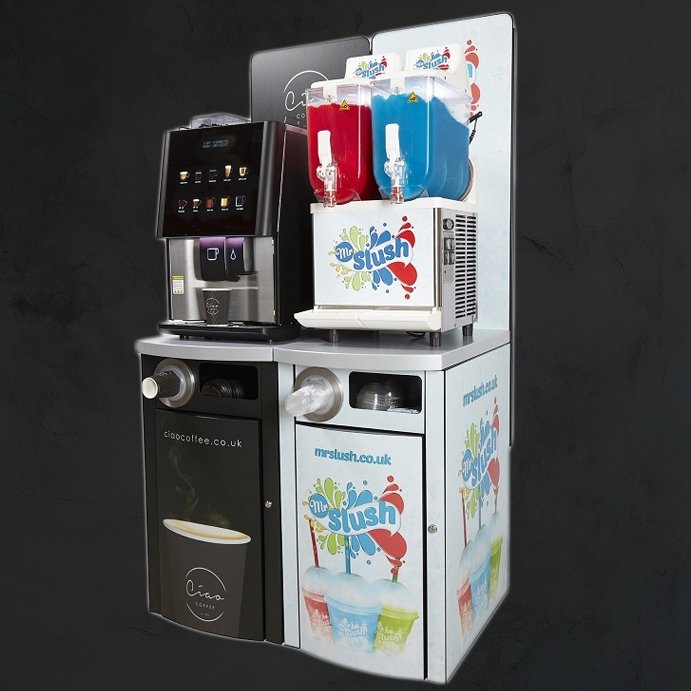 Bean to CupComplete Combi Serving Station VX3 Duo Original price was: £11,200.00.£10,950.00Current price is: £10,950.00.View details
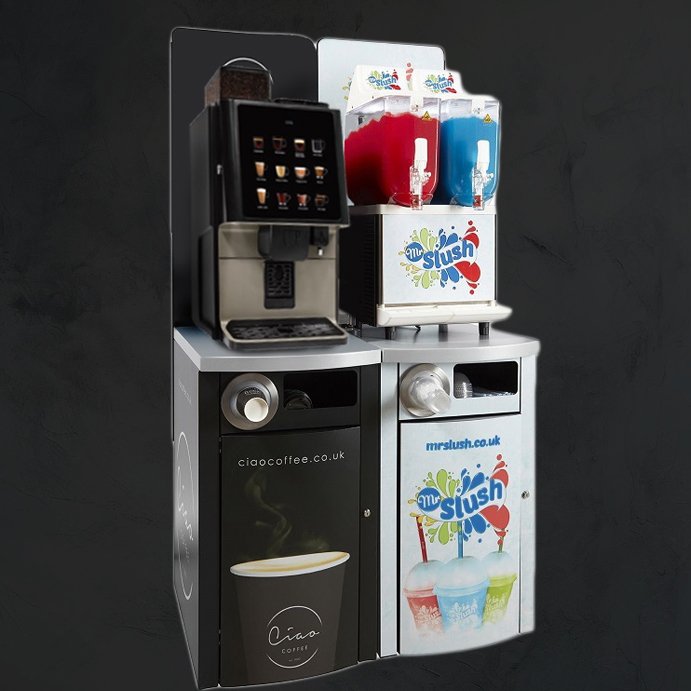 Bean to CupComplete Combi Serving Station VX1 Original price was: £10,295.00.£9,795.00Current price is: £9,795.00.View details
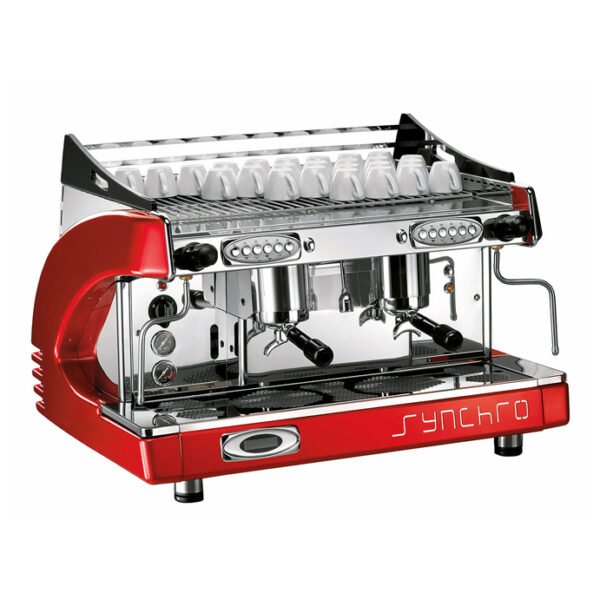
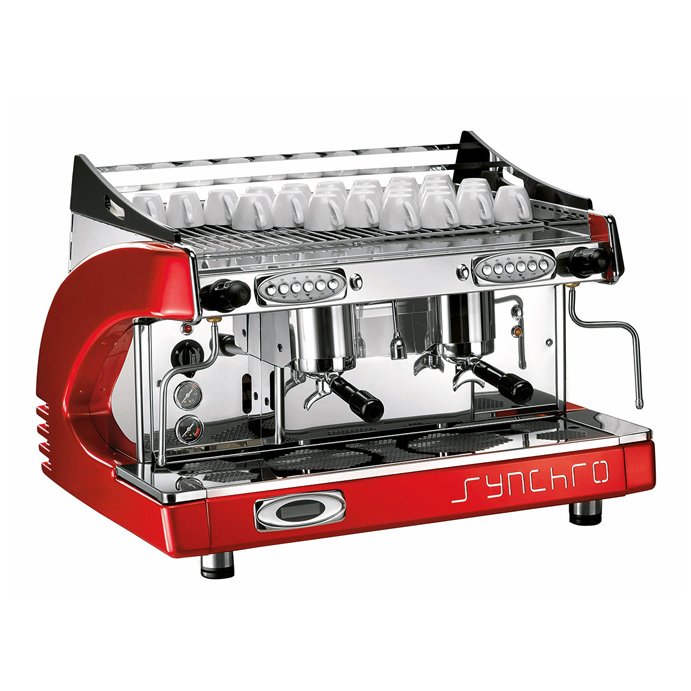 Espresso MachinesSynchro 2 Group£4,250.00View details
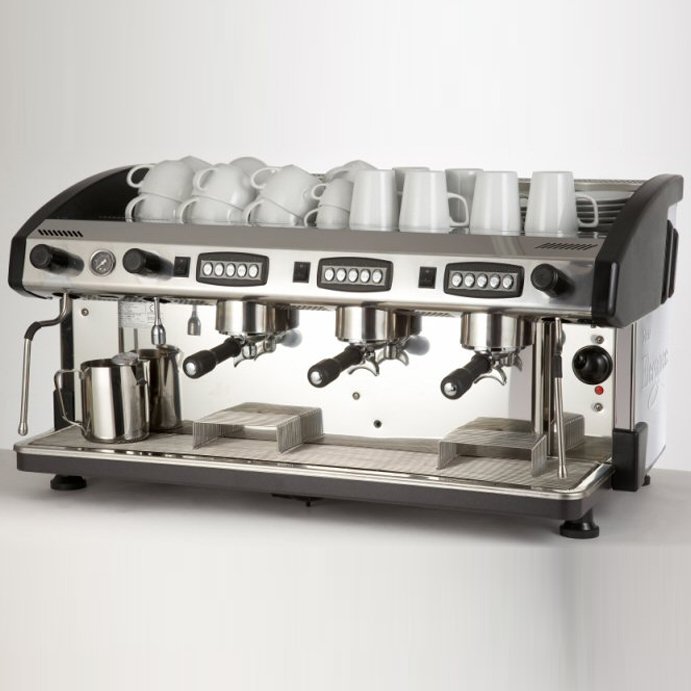 Espresso MachinesExpobar Elegance 3 Group Original price was: £4,495.00.£3,996.00Current price is: £3,996.00.View details
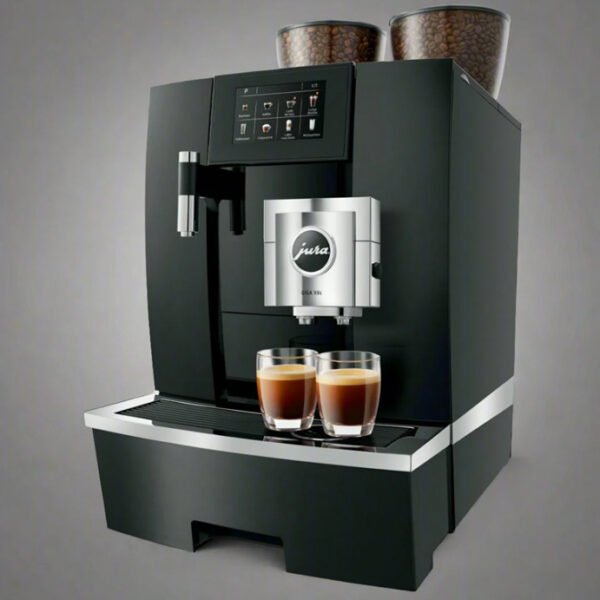
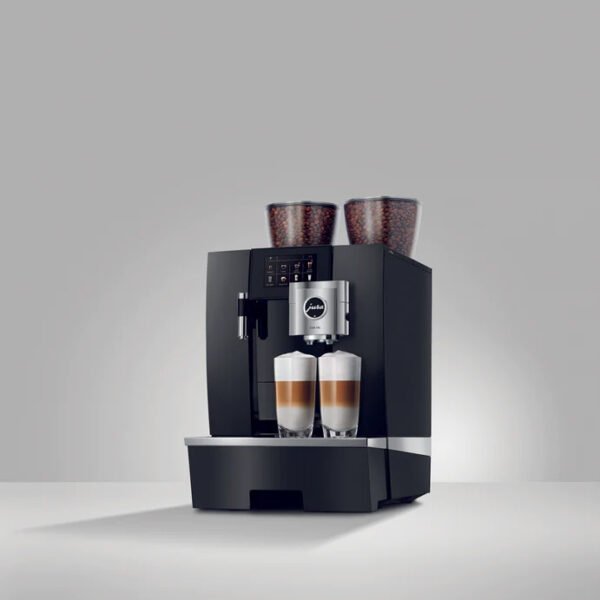
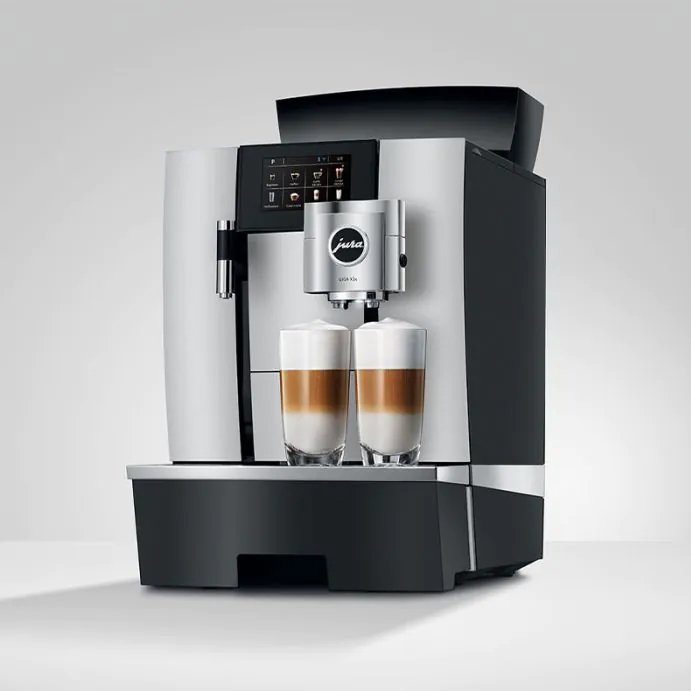 Jura Coffee MachinesJura Giga X3c Generation 2£4,850.00View details
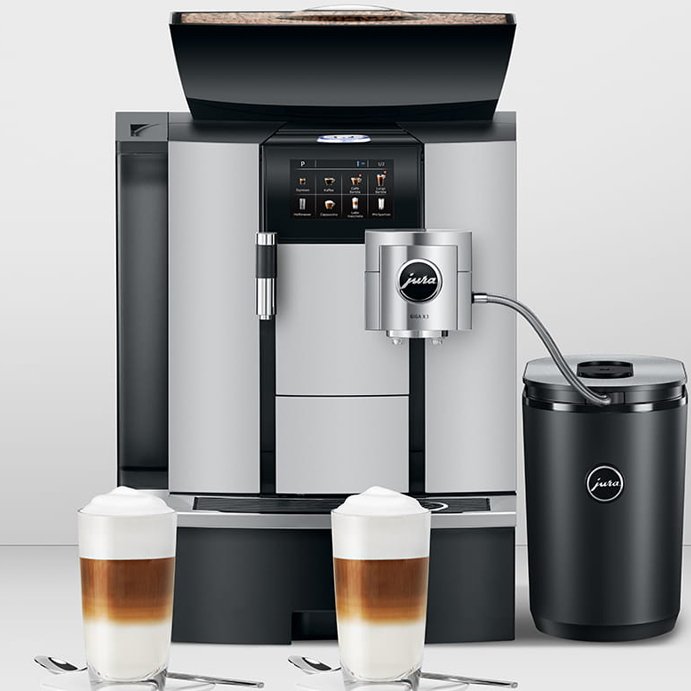 Jura Coffee MachinesJura Giga X3 Generation 2£4,750.00View details
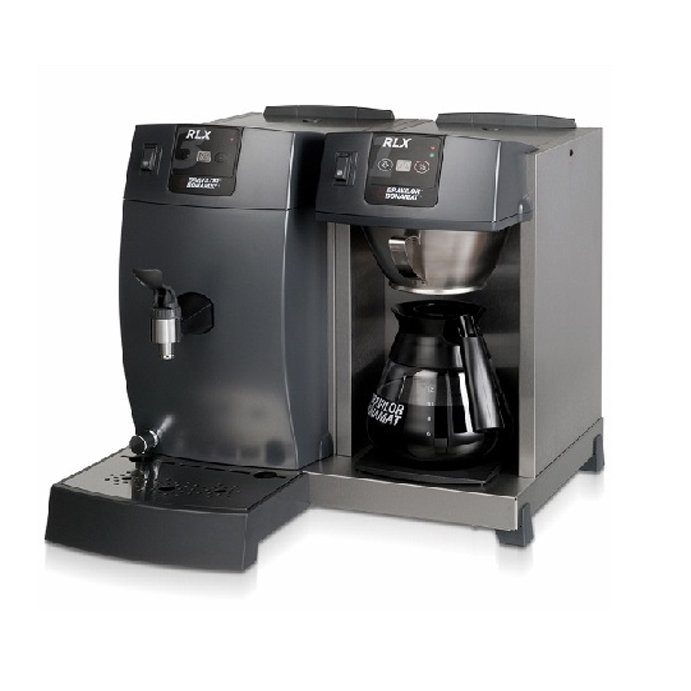 Filter MachinesBravilor RLX 31£1,150.00View details
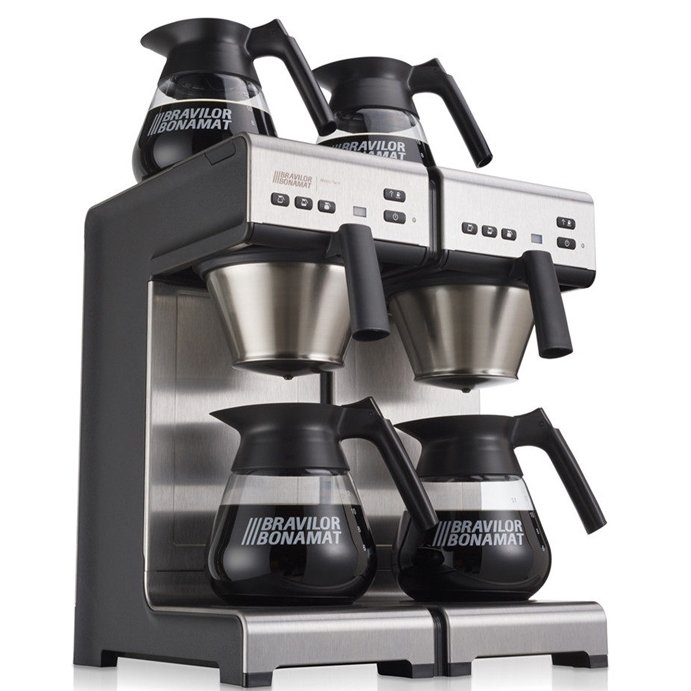 Filter MachinesBravilor Matic Twin£1,150.00View details
Bean to cup, traditional espresso or filter?
Three formats, three very different demands on your staff, your counter and your cleaning routine.
A bean to cup machine grinds, doses, brews and, on fresh milk models, textures the milk to a stored recipe. The drink is repeatable whoever is on shift, which is why the format suits offices, hotels and any site with high staff turnover. Our Jura range and the Ciao machines both sit here. The trade-off is discipline: a fresh milk system has to be cleaned every day, without exceptions.
A traditional espresso machine hands the variables back to the operator. Grind, dose, tamp, shot time and milk texture all become decisions, which is the whole point in a barista-led cafe and a liability on a site where nobody owns the machine. Budget for a grinder that can keep pace with the group heads rather than the cheapest one that fits the gap.
Filter and batch brewing answers a different question: a lot of black coffee at one moment. Breakfast service, conferences and canteens get more from a bulk brewer than from a second espresso group, and pouring it needs no skill at all.
Plenty of sites end up running two of the three. If you are weighing them up, our guide sets out bean to cup against traditional espresso in detail, and the beans you put through it matter nearly as much as the machine itself.
Professionally checked, ready to work
Ex-display and ex-demonstration machines that have been stripped, serviced and tested. Cosmetically used, mechanically sound — and often a class above what the same budget buys new. Every one is a single unit, so if you would like to see a machine before you commit, you are welcome to view it at our Haslingden unit by appointment.
See what is available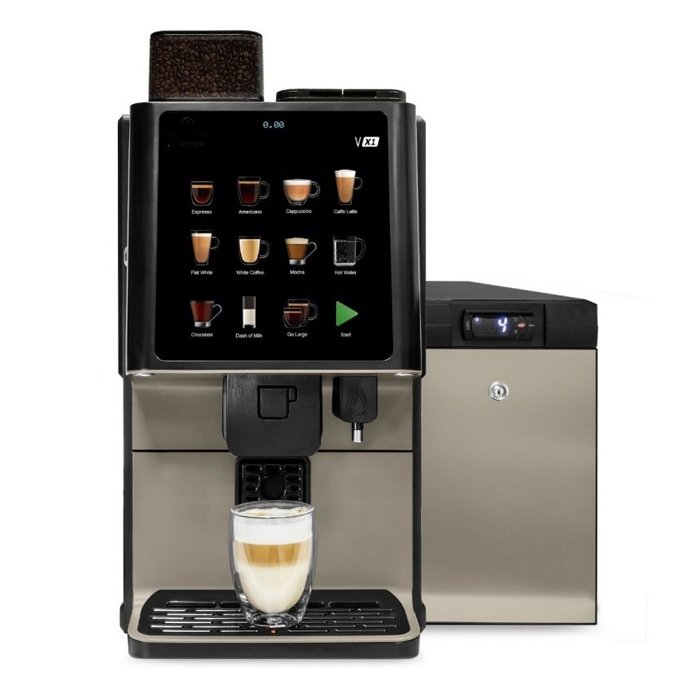 Ex Demo & RefurbishedCiao VX1 Milk Bean to Cup Original price was: £7,500.00.£4,500.00Current price is: £4,500.00.View details
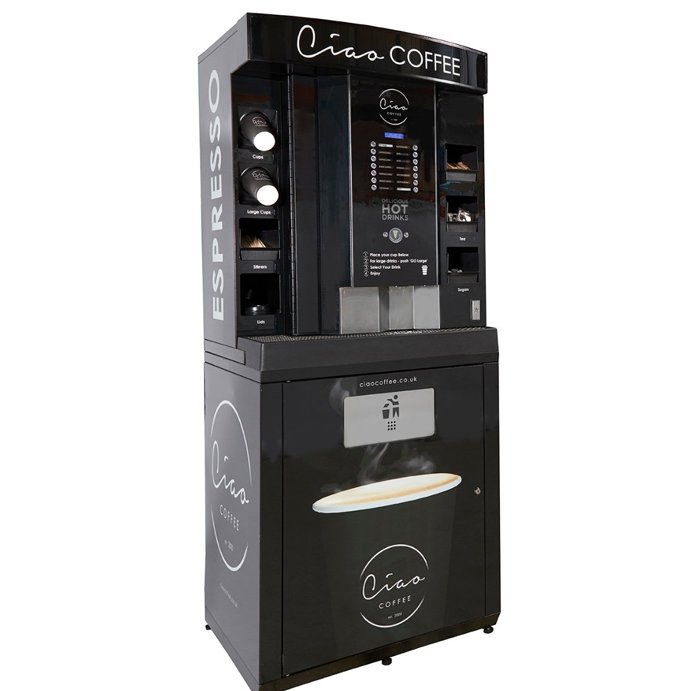 Ex Demo & RefurbishedCiao Coffee to Go V2 Original price was: £8,500.00.£3,750.00Current price is: £3,750.00.View details
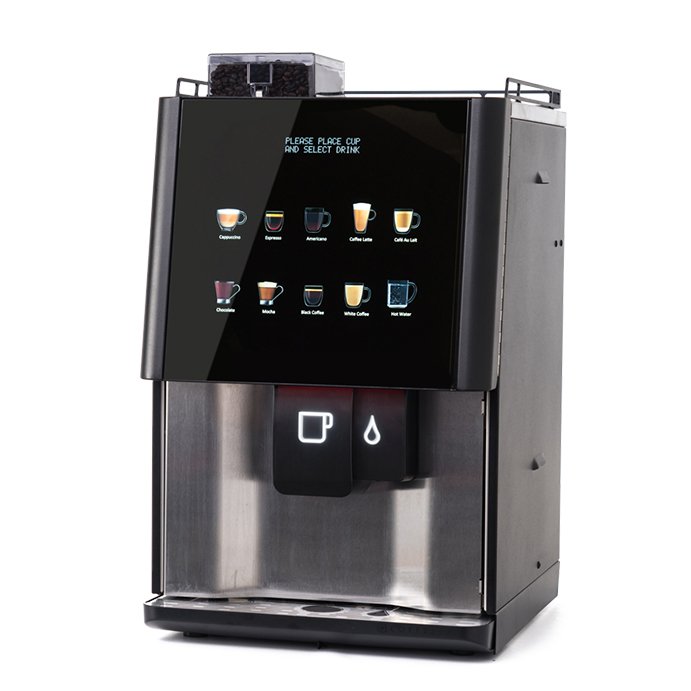 Ex Demo & RefurbishedCiao VX3 Duo Bean to Cup – Ex Showroom Original price was: £6,500.00.£3,250.00Current price is: £3,250.00.View details
When ex-demo is the smarter buy
The honest answer depends less on the size of the price gap than on what the used machine has actually had done to it.
Commercial coffee equipment is built to run for years rather than seasons, so a properly checked ex-demo or refurbished machine will often out-perform a brand new model from the class below at the same money. That is a strong argument when the budget is fixed and the site is busy, and it is how a two-group machine ends up in a cafe that was quoted for a compact one.
What makes it work is knowing precisely what you are buying. Ask what work has been carried out, and by whom. Ask what is included in the price: grinder, filtration, cups, delivery. Ask how the machine spent its previous life, because a demonstrator that sat on a dealer’s counter and a unit pulled out of a motorway services have had very different weeks. Our guide to what ex-demo and refurbished actually mean sets out the questions worth asking before you commit.
Buy new when you need one specific model, a particular milk system, or a machine that will run at capacity all day every day, and when availability matters more than price, because used stock changes week to week as units come and go. Either way the running costs are identical: water treatment and a maintenance schedule that is actually kept decide how long a machine lasts far more than its age on delivery day.
- Jura
- Bravilor Bonn
- Expobar
- Ciao
- Shmoo
- Sencotel
Getting the specification right
Most specification mistakes come from buying on headline price, or on the number of drinks a site hopes to sell.
Tell us your peak hour
Covers in your busiest twenty minutes matter more than daily totals. That number sizes the machine.
We match equipment to the site
Power, water, drainage, counter depth and who is making the coffee all narrow the field fast.
You buy once, correctly
A machine that suits the site lasts longer, costs less to run and does not need replacing in eighteen months.
Size on your busiest hour, not your daily total
Two businesses selling the same number of coffees a day can need completely different machines.
A venue selling two hundred drinks spread evenly across a long day asks very little of its equipment. A venue selling eighty of them inside a forty-minute breakfast window asks a great deal. Peak throughput is the figure that sizes the machine. The daily total mostly tells you what you will spend on beans.
Everything else follows from that number. Boiler capacity and recovery time decide whether the fifteenth drink is as good as the first. Hopper size decides how often somebody is topping up mid-rush. On bean to cup, milk fridge and waste bin capacity set how long the machine runs before it needs attention. On traditional espresso, group head count and grinder throughput are the real ceiling.
Undersizing shows up as queues, thin milk and a boiler that never gets the chance to recover. Oversizing shows up on the invoice, and in a machine that idles for six hours a day when the money would have done more good spent on filtration or a better grinder.
Our sizing guide works through capacity bands and a worked example, and the questions we are asked most cover the rest. If you would rather not do it on paper, send us your peak hour and we will size it with you.
Buying guides & know-how
Practical guidance on sizing, water treatment, maintenance and margins.
 Buying GuidesBean to Cup vs Traditional Espresso Machine: Which Suits Your Venue?The choice between an automatic bean to cup machine and a traditional espresso machine is rarely about coffee quality. It…Read guide
 Buying GuidesHow to Size a Commercial Coffee Machine by Cups Per DayUndersizing a coffee machine is the most expensive mistake in commercial coffee, and oversizing wastes money you could spend on…Read guide
 MaintenanceWater Filtration and Limescale: Protecting a Commercial Coffee MachineLimescale is the most common cause of premature failure in commercial coffee machines, and it is almost entirely preventable. This…Read guide
What happens after you order
Getting it to you is the straightforward part. What the machine needs at the wall, and who looks after it afterwards, is the part worth planning.
We despatch machines and consumables to addresses throughout the United Kingdom from our base in the North West, and timescales vary with the product, the stock position and the destination: a case of beans and a plumbed-in three-group machine do not travel the same way. Some Scottish postcodes, offshore islands and Northern Ireland carry different arrangements, so check delivery and installation before you order rather than after.
Installation requirements differ just as widely. Countertop equipment often arrives ready to plug in and fill. A plumbed-in commercial machine needs a water connection, drainage within reach, a counter that is level and will take the weight, and in some cases a dedicated electrical supply. Water treatment should be specified alongside the machine, not bolted on after the first service visit. Access matters too: doorways, lifts, stairs and the last two feet onto the counter are where delivery days go wrong.
After that, routine beats brand. Daily cleaning cycles, filter changes on schedule, and servicing in line with the manufacturer’s guidance for your model and your water. The maintenance schedule guide sets out what that looks like day to day, and the cleaning consumables come from the same place as the machine. Behind it sits a phone number a person answers: 01706 216822, Monday to Friday 9am to 5pm and Saturday 9am to 1pm. If it is easier to write it down, send us the details of your site.
Not sure which machine fits your site?
Send us your peak hour, your available space and your budget. We will come back with realistic options rather than a catalogue — no obligation, and no pressure to buy on the call.