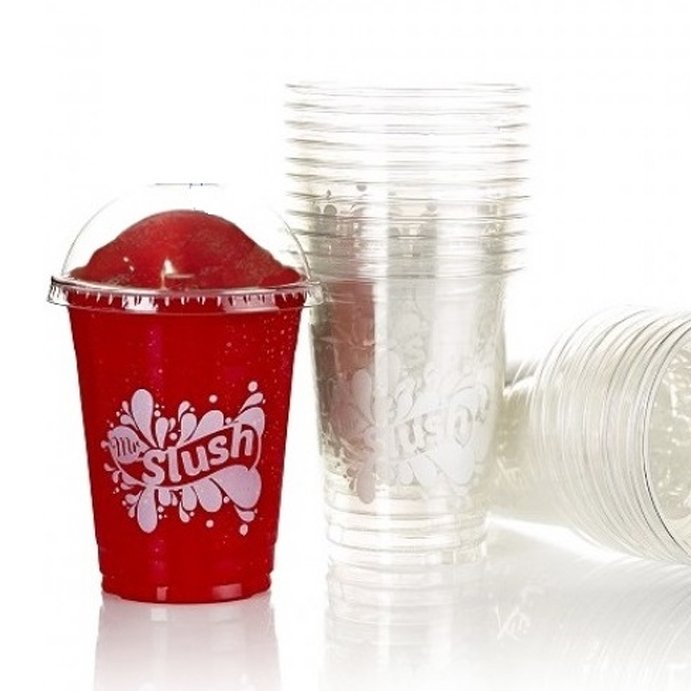
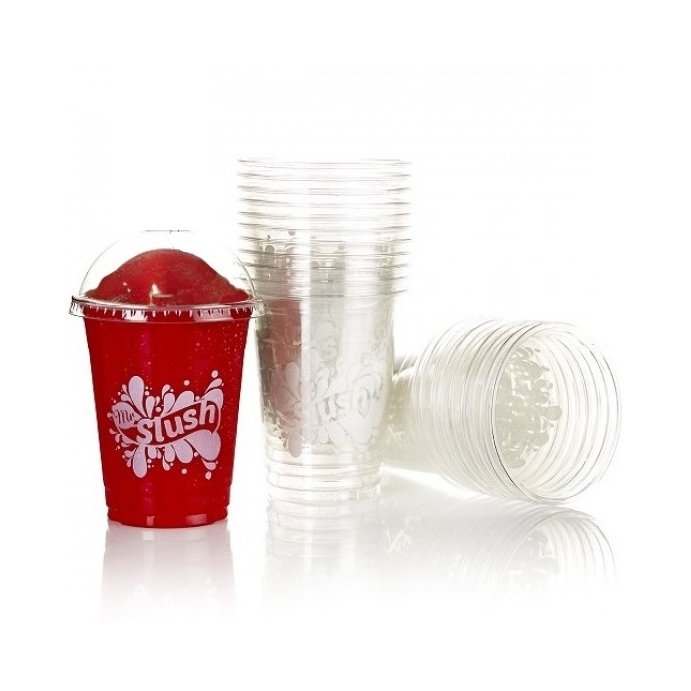
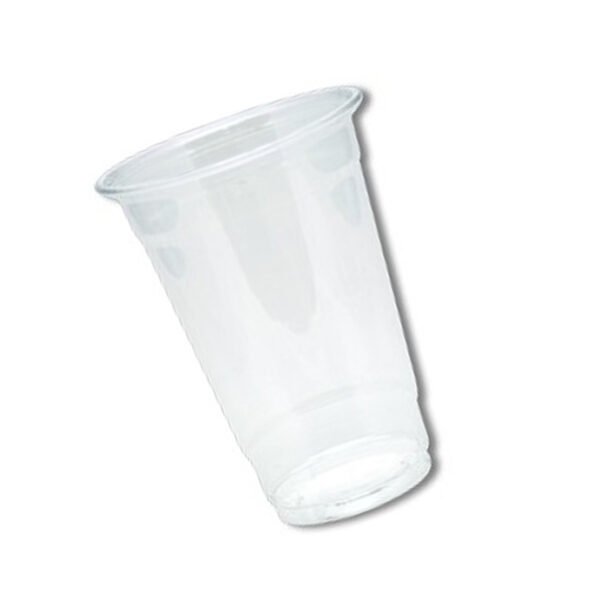
Get the middle size right and it becomes the size everybody orders. Mr Slush Cups at 16oz sit on that mark: big enough to feel like a treat, manageable enough to walk around with. It is the reason they turn up as a staple in convenience stores, cafes, food outlets, catering operations and leisure venues serving frozen drinks.
Cups built to be worked
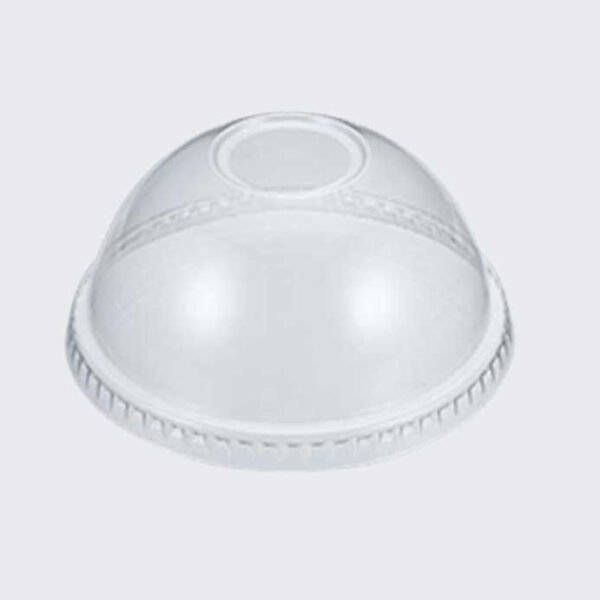
These are filled from a slush machine, handed over and carried without complaint. The wall strength holds a dense frozen product without flexing in the hand, and the clear body puts the colour of the drink on display, which does more for impulse sales than any sign above the counter. Beyond slush they take smoothies, milkshakes and iced beverages, so a single case can cover a whole cold drinks menu rather than sitting idle out of season. Mr Slush branding keeps the counter presentation consistent, and optional domed lids are available separately.
Who the case suits
- Convenience stores, forecourts, cafes and food outlets running slush year round
- Leisure, soft play and family entertainment venues
- Catering operations and multi-site operators standardising on one branded serve
This is the case most operators should start with. A site selling frozen drinks steadily through the week, rather than in occasional bursts, will clear 1,000 cups without them dominating the stockroom, and the 16oz size is forgiving: large enough to sell as a proper large, small enough that a customer will still buy one on a cool day. Newsagents and forecourts, campus shops, soft play centres, tenpin and trampoline sites, and cafes that put a slush machine in the window all end up ordering the same size for the same reason.
What it does for margin
Frozen drinks are one of the few counter lines where the ingredient cost is genuinely small next to the price on the board, which is why they are so often the difference between a profitable summer and a flat one. If you are building the offer from scratch and want to know what the machine, syrup and cups add up to against the takings, the equipment and margins behind a slush offer lays out what the kit costs against what the counter earns, before you commit to a machine.
Presentation, and why branding is the cheap upgrade
A branded cup does quiet work. It tells a customer at ten paces what is being sold, it makes a queue visible from outside the shop, and it stops a frozen drink looking like something poured into whatever was to hand. Keeping cups, lids and straws from one range is the cheapest presentation upgrade available to a small counter, and the matching slush accessories range covers the lids, straws and spoons that finish the serve.
Ordering, storage and rotation
Keep cups nested in their sleeves in dry storage and bring out only a shift’s worth at a time so the rest stay clean and unhandled. Case buying is the sensible approach anywhere with a seasonal peak, because the last thing a kiosk needs on a hot Saturday is a delivery it should have placed on Wednesday. Place the reorder against your own forecast rather than against the last cup in the sleeve, and confirm delivery timescales for your address ahead of a peak week rather than during one. Nested cups store compactly, so a case takes up less shelf than most operators assume.
Sizing up, or staying put
Step up to the 20oz cup where groups and families dominate your trade and you want the large serve to feel unmistakably large. Stay at 16oz where drinks are carried around a site, where the customer base skews younger, or where you want one size to cover slush, milkshakes and smoothies without a second SKU on the shelf.
Reviews
There are no reviews yet.